
HERNIATED DISCS
A spinal/vertebral disc is the cushion between the bones at almost every level of your spine. A herniated disc happens when the soft center of a spinal disc pushes through a weak or torn outer layer. When it bulges or leaks out, it can irritate your nearby nerves.
That irritation to your nerves can cause back pain, neck pain, leg pain, arm pain, numbness, tingling, or weakness.
Herniated discs are most common in the low back with the most common levels being L4-L5 and L5-S1. However, herniated discs can happen at almost any level of the spine.
Lumbar disc herniation affects about 1% to 3% of the population each year, mainly adults between 30 and 50 years old. A recent source reports annual incidence around 5 to 20 cases per 1,000 adults. Cleveland Clinic states that more than 3 million people in the U.S. get a herniated disc each year.
what can cause herniated Discs?
Herniated discs can develop due to age-related wear and tear, repetitive stress on the spine, or sudden trauma.
Factors such as poor posture, improper lifting techniques, obesity, and genetic predisposition may increase your risk of disc herniation.
Additionally, degenerative conditions like disc degeneration or spinal stenosis can weaken your discs, making them more susceptible to herniation.
What if your herniated disc is not the whole problem?
A herniated disc can be part of your problem, but it is not always the whole story.
Some people have disc herniations on MRI and no pain. Others have terrible pain from a smaller disc issue because the nerve is irritated. Mayo Clinic notes that some people have herniated discs and no symptoms at all.
At AFC AZ we do not treat the MRI. We treat the person. We look at your pain pattern, movement, strength, posture, hips, nerves, and how your body is actually working.
Why does a herniated disc send pain down your leg?
Each intervertebral disc sits close to the nerves that leave your spine. When disc material irritates or presses on a nerve, pain can travel.
In the case of a low back herniated disck, that pain may go into the butt, thigh, calf, or foot. That is often called sciatica. This is why the problem may start in your back, but the pain may scream in your leg.
Does a herniated disc always mean surgery?
No. Most people do not need surgery.
Surgery may help some people, especially with severe nerve symptoms, but it is not automatically step one and statistically it does not help many people. Microdiscectomy is common. However, in a 2024 surgical outcomes paper states that more than 300,000 microdiscectomies are performed in the U.S. each year, but 25% to 33% of patients may report poor surgical outcomes.
what are your solutions to herniated Discs?
Most disc problems come from wear and tear over time. Things like aging, repeated bending, twisting, lifting, poor movement habits, extra body weight, injury, and weak support muscles can all add stress to the disc, ultimately allowing something minor to cause the outer layer to give away.
Why does my pain come and go if the disc is still there?
Because pain is not only about the disc.
Pain can change based on swelling, nerve irritation, sleep, stress, sitting, bending, lifting, posture, inflammation, and how well your body is moving. This is why some days feel okay and other days feel ridiculous.
The goal is not just to chase pain. The goal is to make your body more stable, more mobile, and more able to handle life.
When should a herniated disc be taken seriously?
Take it seriously if pain is getting worse, weakness is spreading, your leg or foot feels unreliable, or numbness is increasing.
Get urgent medical care if you lose bowel or bladder control, have numbness in the saddle area, develop major leg weakness, have fever, unexplained weight loss, history of cancer, or severe pain that does not let up.
Those are not “wait and see” symptoms.
CHIROPRACTIC CARE FOR HERNIATED DISCS
Chiropractic care can help some patients with herniated disc symptoms by improving spinal and hip mechanics, reducing unnecessary stress on irritated tissues, calming muscle guarding, and helping the body move better.
We do not claim to put the disc back in place. We work to improve function around the disc and nerve so the body has a better chance to heal and create increased stability around the injured/irritated structure.
At AFC AZ our Alpha 5 Phase System is a strong fit for herniated disc care because disc problems need more than pain relief.
First, we work to Relieve the irritated system.
Then we Realign how the spine, hips, pelvis, and posture move together. Next, we
Rebuild strength and support so the disc is not taking all the pressure.
Then we Retrain better movement, lifting, sitting, and daily habits.
Finally, we help you Reclaim normal life and maintain progress.
The goal is not to chase the pain, the goal is long-term function, confidence, and a body that can handle real life.
ARE YOU READY FOR A CHANGE?
If you have herniated disc, or any of the pain associated with a herniated disc, you are truly suffering. It can be overwhelming and very frightening to try something new, even if you are not getting better on your own or with other types of care. If this sounds like you, then schedule for our
It is a short visit, with abbreviated paperwork, a functional exam (which you may fail) and a short consult with the doctor.
The goal is not to talk you into care.
The goal is to assess where you are at, see what suggestions we may have for you and have a candid discussion about your current health and whether or not chiropractic can help you. That's it.
If you are ready to take that small step
REMEMBER:
NO ONE IS COMING TO RESCUE YOU BECAUSE THE HERO YOU NEED IS ALREADY INSIDE YOU.
QUICK LINKS
office hours
Mon: 7:00 AM - 2:00 PM
Tue: 2:30 PM - 6:00 PM
Wed: 7:00 AM - 2:00 PM
Thu: 7:00 AM - 2:00 PM
Sat: Appointment only
Sun: Closed
129 S Smith Road #101 Tempe, AZ 85288
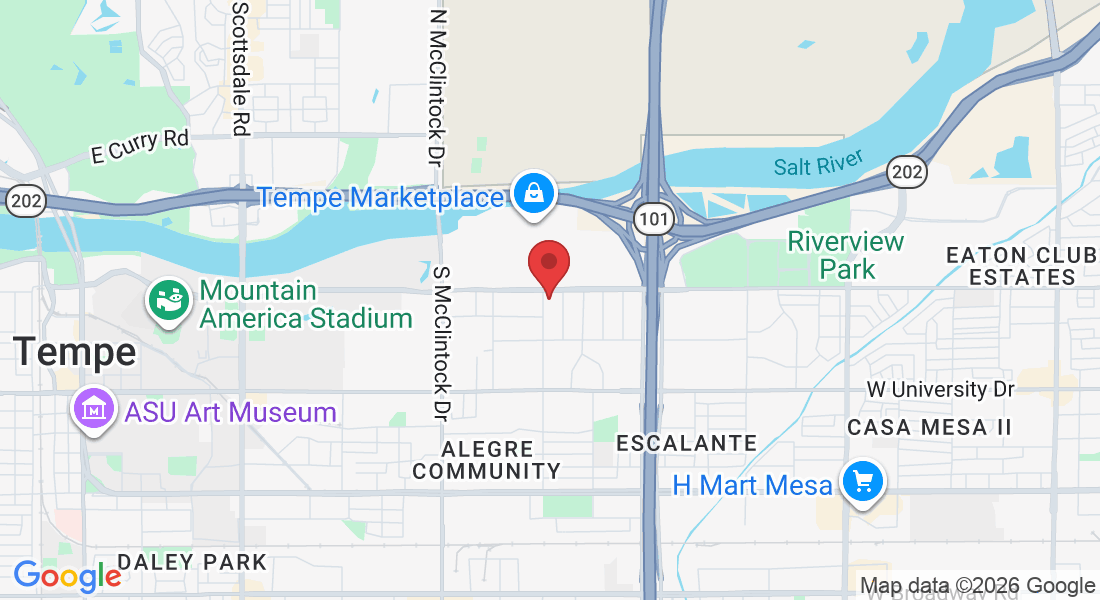
Just south of Tempe Marketplace
at the Junction of the 101 & 202 Freeways

© Copyright 2026 All Rights Reserved.
Last Updated: [DATE]


